
MS-related fatigue refers to a persistent and often overwhelming sense of tiredness experienced by many people with multiple sclerosis in the United States. It differs from ordinary tiredness in that it can occur at rest, may fluctuate day to day, and can substantially affect routine tasks such as dressing, working, or household chores. This article explains common factors that contribute to fatigue, describes approaches people often use to manage energy across daily life, and presents practical examples of strategies and supports that are typically discussed with clinicians and rehabilitation professionals.
Fatigue in MS may be influenced by neurological factors, secondary conditions, medication side effects, sleep quality, and environmental stressors such as heat. In the U.S. context, access to services and adaptive devices can vary by state and by insurance coverage, so management often combines self-management techniques with professional input from neurologists, occupational therapists, and physical therapists. The material below focuses on descriptive, non-prescriptive information about everyday strategies and considerations that people commonly use to address fatigue-related limitations.
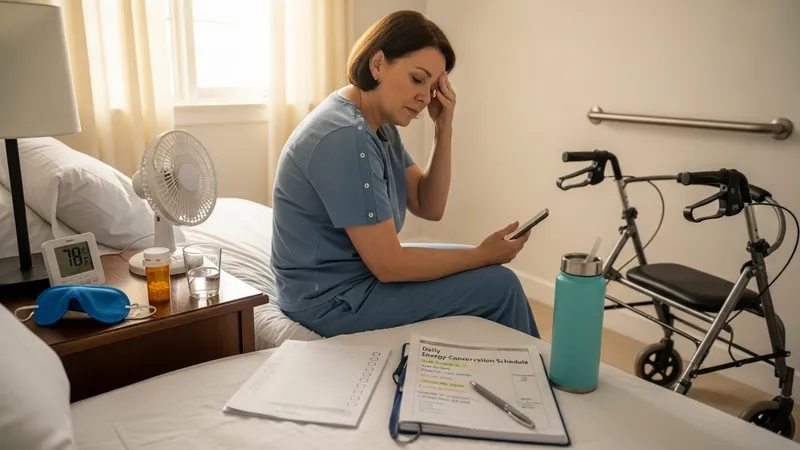
Understanding pacing and activity planning often begins with identifying higher-effort tasks that typically cause the greatest fatigue and then distributing those activities over time. In clinical practice across the United States, occupational therapists may introduce task analysis and graded schedules that can help people evaluate where energy is expended. These approaches typically emphasize substituting or adapting tasks when possible, breaking activities into smaller steps, and scheduling demanding tasks at times of the day when personal energy is relatively higher. Descriptions of such methods are commonly available through U.S. rehabilitation resources and patient education materials.
Energy conservation and adaptive equipment are frequently considered complementary to behavioral strategies. Simple changes—like sitting while preparing meals, using a lightweight vacuum, or installing grab bars—can change the physical demands of routine tasks. Coverage for durable medical equipment and home modifications varies in the United States by insurer and by Medicare or Medicaid rules, so people often explore multiple sources of information to understand likely costs and eligibility. Neutral sources and service organizations often list commonly used devices and typical contexts where they are applied.
Symptom tracking and structured communication with healthcare providers are useful for distinguishing fatigue patterns and potential contributing factors. People may record timing, intensity, associated symptoms (for example, sleep disturbance or medication timing), and environmental triggers such as heat. In the U.S., clinicians sometimes use standardized questionnaires to quantify impact on daily activities; these measures can inform interdisciplinary discussions involving neurologists, rehabilitation clinicians, and primary care providers. Tracking typically supports collaborative planning rather than serving as a standalone solution.
Addressing secondary contributors, such as sleep disorders, mood changes, pain, or medication effects, often plays a role in comprehensive fatigue management. In U.S. clinical settings, these elements are typically evaluated and managed alongside MS-specific considerations. For example, referral to sleep medicine, mental health services, or pharmacy review may be discussed when relevant. Such referrals and interventions may reduce factors that exacerbate fatigue, but responses can vary between individuals; careful monitoring and coordinated care are commonly advised by clinicians in the U.S.
Integrated approaches that combine pacing, equipment use, lifestyle adjustments, and clinical input typically form the basis of everyday management for many people with MS-related fatigue. These strategies may be adapted by individuals according to personal routines, occupational demands, and the availability of local services in the United States. The next sections examine practical components and considerations in more detail.
Pacing and activity planning focus on organizing daily routines to match fluctuating energy levels. In U.S. practice, people often track the time of day when they function best and schedule higher-effort tasks accordingly, reserving lower-effort activities for periods when energy is lower. Occupational therapists commonly teach task breakdown—dividing larger tasks into shorter, less demanding steps—and alternating periods of activity with brief rests. These approaches may reduce immediate exhaustion and can be adapted for work, household tasks, or caregiving responsibilities. Pacing is typically framed as a self-management strategy rather than a clinical cure.

When applying pacing at home or work in the United States, practical considerations include workplace accommodations and time management. Some employers and state vocational rehabilitation services may provide guidance about reasonable adjustments, though specific policies vary by employer and state. People may document patterns and discuss them with supervisors or rehabilitation counselors to explore schedule flexibility or task redistribution. The emphasis is on measurable adjustments that align with an individual’s capacity and on documenting effects to support ongoing planning and communication.
Activity planning often incorporates graded activity, where tasks are gradually increased in duration or intensity based on tolerance. In U.S. outpatient rehabilitation settings, therapists may set incremental goals and monitor responses to gradually build function without provoking prolonged setbacks. Graded approaches may also include alternating cognitive and physical tasks to avoid sustained strain in one domain. Clinicians typically recommend monitoring responses and adjusting pacing plans over time rather than maintaining a static regimen.
People commonly combine pacing with environmental changes to maximize efficiency—arranging frequently used items at reachable heights, using seating during tasks, and batching errands to reduce repeated exertion. These adaptations can be simple, low-cost adjustments that change how energy is expended during the day. The effectiveness of particular tactics varies by person, and in the United States individuals often consult occupational therapy resources or national patient organizations for examples and practical worksheets.
Energy conservation techniques aim to reduce the physical and cognitive demands of daily activities. Examples include simplifying tasks, using momentum instead of force, and choosing clothing or utensils that require less effort. Adaptive equipment commonly used in the United States includes reachers, sock aids, shower seats, and lightweight kitchen tools. Information about equipment options is available from U.S.-based nonprofit resources and rehabilitation suppliers. Coverage and out-of-pocket costs depend on individual insurance plans; Medicare and private insurers may have differing criteria for durable medical equipment reimbursement.
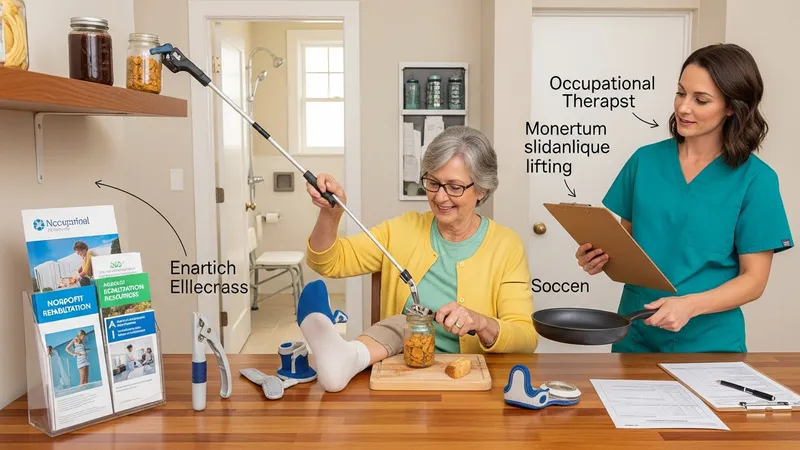
Choosing equipment typically involves an assessment of task demands and personal preferences, often with input from an occupational therapist. In U.S. clinical settings, therapists may trial devices in clinic or suggest home trials to verify usability. People often weigh portability, weight, ease of cleaning, and storage needs, and may consider whether a device addresses multiple tasks. Reviews and comparison guides from neutral U.S. organizations can assist in understanding trade-offs without implying endorsement of specific brands.
Home modifications can also contribute to reduced exertion. Examples include installing lever-style faucet handles, lowering storage shelves, and adding non-slip flooring to reduce effort and fall risk during routine activities. Such modifications may be implemented incrementally and, in the United States, may involve consultations with contractors familiar with accessibility options. Funding sources and eligibility for home modification assistance vary by state and program, so individuals commonly explore multiple local resources to understand potential support.
Safety and maintenance are practical considerations when using adaptive equipment. Regular inspection to confirm secure fittings, replacement of worn components, and instruction on proper use can influence long-term usefulness. Many U.S. rehabilitation clinics provide training on device use, and manufacturer instructions typically address cleaning and care. These considerations are framed as routine precautions rather than absolute guarantees of effectiveness and support safe integration of devices into daily routines.
Lifestyle factors that commonly interact with fatigue include sleep patterns, physical activity levels, nutrition, and stress management. In the United States, clinicians often discuss sleep hygiene and basic activity progression as part of comprehensive care. Regular, moderate activity—tailored to individual ability—may help maintain function, while overly strenuous exercise can increase short-term fatigue. Diet and hydration are also considered potential contributors; clinicians and dietitians may discuss patterns that can support energy but do not present definitive cures. Each element is typically evaluated in the context of an individual’s broader clinical picture.
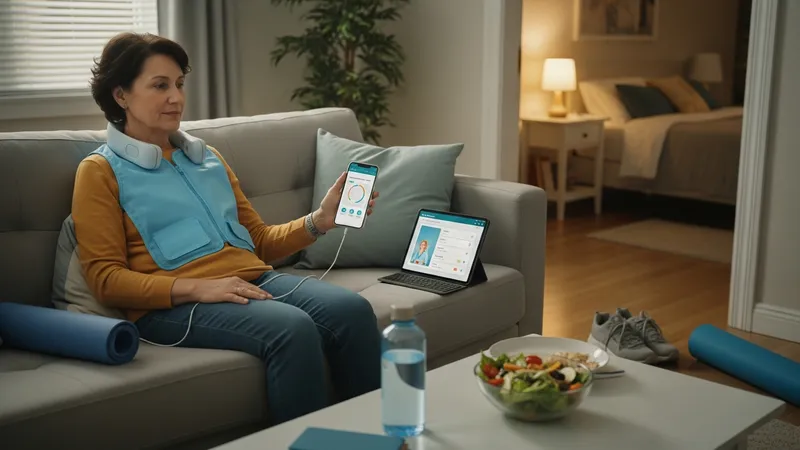
Heat sensitivity is a frequently reported environmental factor among people with MS, and exposure to high temperatures can temporarily worsen symptoms for some individuals. Cooling strategies—such as air conditioning, fans, cooling garments, or planning outdoor activities during cooler times—are practical adaptations that are often discussed in U.S.-based resources. The impact of temperature varies among individuals, so people may use symptom tracking to determine whether and when cooling measures are helpful in daily life.
Stress and mental health can influence perceived fatigue. Access to mental health services in the United States varies by location and insurance coverage, and clinicians often suggest considering psychological factors alongside physical contributors. Mindfulness practices, cognitive strategies, and structured therapy may be offered as supportive options; their effects on fatigue may differ across individuals. Coordination between neurologists, primary care clinicians, and mental health professionals is commonly recommended for a holistic assessment.
Work-related considerations often shape lifestyle decisions, especially in the United States where employment contexts and benefits differ widely. Vocational rehabilitation programs, workplace accommodation policies under the Americans with Disabilities Act, and employer-provided benefits can influence how people balance work demands and fatigue management. Individuals frequently explore scheduling adjustments, assistive technologies, or modified duties through established channels, with guidance from rehabilitation professionals when appropriate.
Systematic symptom tracking can clarify patterns and inform conversations with U.S.-based healthcare providers. People often record the timing, severity, and triggers of fatigue episodes, along with associated symptoms such as sleep problems or medication timing. Standardized tools and fatigue scales are sometimes used in clinics to provide quantifiable information about functional impact. These measures may guide interdisciplinary care planning involving neurologists, occupational therapists, and primary care providers, while acknowledging that responses to interventions typically vary across individuals.
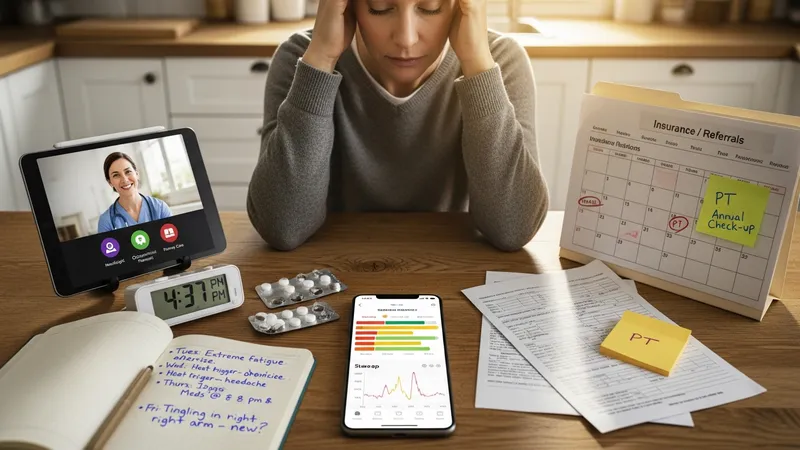
Effective communication with clinicians commonly includes sharing concrete examples of how fatigue affects daily tasks, noting any changes over time, and discussing prior strategies that have been tried. In the United States, clinical teams may consider referrals to occupational therapy, physical therapy, sleep medicine, or mental health services when relevant. Insurance coverage and provider availability differ regionally, so care coordination often involves exploring local resources and clarifying what services are accessible under a given plan.
Documentation can be useful when discussing workplace adjustments or benefit applications in the U.S. context. Objective records—such as symptom logs or results from standardized questionnaires—may support conversations with employers, rehabilitation counselors, or disability determination processes. People typically consult clinicians and legal or vocational advisors to understand documentation requirements and to frame information in ways that reflect functional limitations rather than diagnoses alone.
Ongoing monitoring and iterative adjustments are common features of managing MS-related fatigue. As circumstances change—such as new treatments, shifts in work demands, or changes in living arrangements—plans for pacing, equipment use, and clinical referrals may be revisited. Collaboration among the person with MS, clinicians, and rehabilitation professionals in the United States often focuses on tailoring strategies to daily realities and measuring outcomes over time rather than promising specific results.