
Renting a high-end private villa for short-term vacation use involves evaluating the property, the local context, and the terms that govern occupancy. This concept covers selecting a property that aligns with travel preferences, understanding the practical details of arrival and departure, and examining the written policies that apply to stays. It also includes assessing how a villa’s physical features and offered services may affect comfort and convenience during the period of occupancy.
Key elements typically considered when comparing villas include site characteristics, unit size and layout, on-site amenities, privacy features, and host or management arrangements. Travelers often review accessibility for vehicles and guests with mobility needs, neighborhood rules or municipal regulations in the United States, and the proximity of the property to attractions or services. These matters can influence overall suitability without implying any single option is universally preferable.

The three example categories above represent common ways high-end villas are offered in the United States and can shape the booking experience. Platform-based listings often provide aggregated search filters and payment processing that may make comparison easier, while professionally managed villas may list included services such as concierge, housekeeping, or private chefs. Owner-direct arrangements can allow for detailed negotiation of dates or services, but may require more careful review of contract terms and verification of credentials. Each pathway typically trades off convenience, transparency, and flexibility in different ways.
Location considerations often drive both nightly price estimates and guest convenience. Coastal or resort regions such as Florida’s Gulf Coast, California’s coastal counties, and parts of Hawaii commonly have higher seasonal demand and may show wider nightly rate variation. Urban-suburban villas near major U.S. gateways can offer access to cultural amenities but may have noise or parking constraints. Proximity to medical facilities, grocery stores, and transportation hubs in the United States may be relevant for group travel or guests with mobility needs.
Property size and layout affect how a group uses space and allocates costs. Large villas with multiple suites, separate staff quarters, or distinct guest wings may be suitable for multi-family travel, while smaller luxury villas may focus on privacy and design. Interior features such as kitchen capacity, number of bathrooms, and sleeping configurations can influence convenience and cleaning expectations. Outdoor elements—pools, private beaches, landscaping—also contribute to usable space and maintenance responsibilities.
Policies and service offerings can alter the effective cost and experience of a villa stay. Common policy areas include security deposits, damage protection, cleaning fees, minimum-stay rules, and cancellation terms. Some U.S. municipalities levy transient occupancy taxes or registration requirements for short-term rentals; these can change total costs and compliance matters. Understanding whether services such as daily housekeeping, concierge, or dedicated security are included or priced separately helps clarify comparisons between properties.
In summary, evaluating a high-end private villa before committing to a reservation typically involves coordinated review of location, property features, service arrangements, and host or platform terms. Comparing the three common listing channels—marketplace platforms, professional management, and owner-direct—can help clarify how each handles pricing transparency, service levels, and contractual terms. The next sections examine practical components and considerations in more detail.

Assessing location for a luxury villa stay often starts with transportation access and local infrastructure. In the United States, proximity to major airports such as Miami International (MIA), Los Angeles International (LAX), or Orlando International (MCO) can reduce ground travel time for arriving guests. Road access and on-site parking capacity may matter for groups that plan to rent multiple vehicles. For remote coastal or mountain villas, note that seasonal weather patterns—hurricane season in parts of Florida and the Gulf Coast or winter storms in mountainous regions—can affect road conditions and access.
Local regulations and neighborhood norms are relevant considerations. Many U.S. cities and counties require registration of short-term rentals or impose transient occupancy taxes; these requirements can affect availability and total cost. In tourist regions such as parts of California and Hawaii, local ordinances sometimes limit rental days or require host permits. Checking municipal websites or county government pages may provide clarity on compliance expectations for a given destination.
Proximity to services and attractions typically shapes daily logistics. Villas located near grocery stores, medical clinics, recreational facilities, or well-known attractions like national parks or coastal state parks can reduce time spent commuting. Guests who plan on dining out frequently may prefer locations near towns with a variety of restaurants. In contrast, villas positioned for seclusion may intentionally be farther from public services, which can influence decisions about provisioning and on-site support.
Accessibility for guests with mobility or sensory needs is an important dimension. Some U.S. properties may have step-free entrances, accessible bathrooms, and ramped pathways, while older or historic villas may lack these features. When accessibility matters, request specific measurements and descriptions of thresholds, doorway widths, and bathroom fixtures. Doing so as a matter of comparison can help align expectations without implying that any single property meets every accessibility requirement.
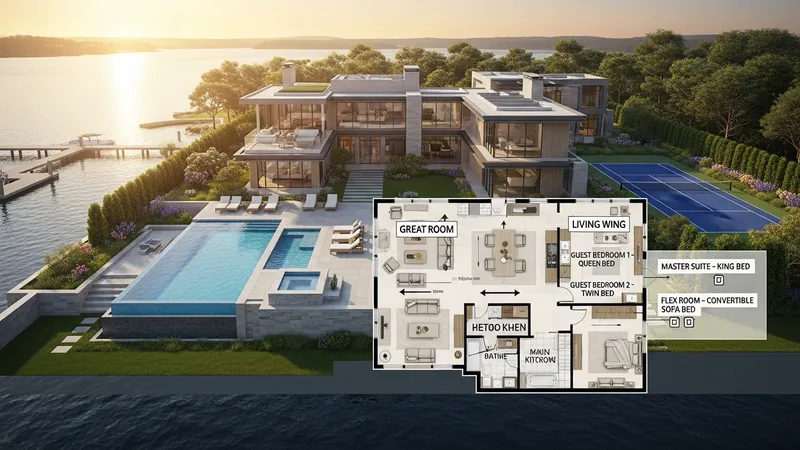
Evaluating property size begins with counting bedrooms and bathrooms and understanding sleeping configurations. Large U.S. villas often list the maximum guest capacity and detail bed types—king, queen, twin, or convertible sofa beds. Consider how living spaces are arranged: open-plan common areas may be preferable for shared activities, while separate living wings can provide privacy for mixed groups. When comparing listings, examine floor plans or photos for circulation, sightlines, and numbers of full versus half bathrooms.
Amenities can significantly influence comfort and expectations. High-end villas in the United States commonly advertise private pools, hot tubs, home theater rooms, fitness spaces, and fully equipped kitchens. Some properties include specialized amenities such as private docks, tennis courts, or wine cellars. Note that amenities often come with operational or safety considerations—pool fencing, gas grill regulations, or appliance instructions—that may be covered in property rules or house manuals.
Infrastructure and support features may vary by type of provider. Professionally managed villas may offer standardized linen service, daily housekeeping options, and staff on call, while owner-direct rentals may provide fewer on-site personnel and rely on local contractors for services. Platform-based listings may display verified amenities and guest reviews that reference reliability. When comparing options, check whether listed amenities are included in the base rate or incur additional fees.
Outdoor space and landscaping are functional components to weigh. Private gardens, terraces, and outdoor kitchens expand usable living area, especially in temperate U.S. climates. Consider maintenance factors such as pool cleaning schedules, pest control, and perimeter security; these often appear in rental rules and can affect guest experience. Assess how outdoor spaces are oriented relative to neighbors for privacy and noise considerations, particularly in communities with proximity restrictions.
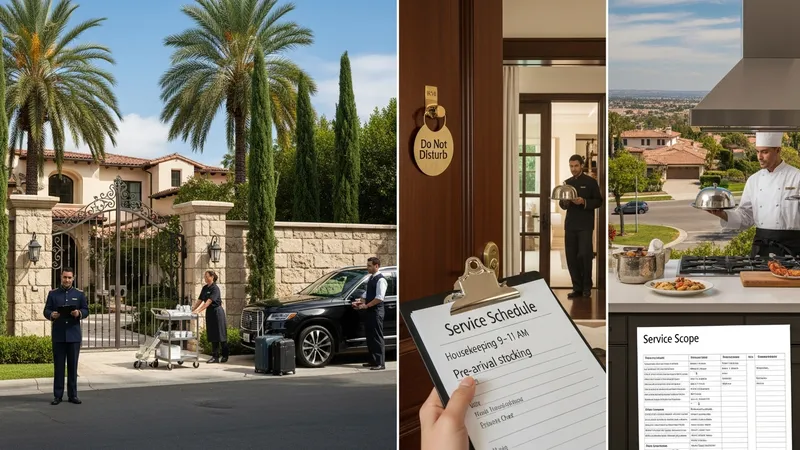
Privacy expectations vary with property type and management model. Villas in gated communities or on private estates typically offer greater separation from adjacent properties, while villas within mixed residential neighborhoods may have closer proximity to neighbors and public roads. Managed properties may provide dedicated on-site staff such as property managers or concierges; their presence can increase responsiveness but may also reduce solitude if their access to the property is routine. Clarify how and when staff access interiors for maintenance or cleaning.
>Service levels and included offerings should be reviewed as part of any comparison. Common service items in the United States include pre-arrival stocking, daily or periodic housekeeping, in-house chefs, and private transportation arrangements. These services often carry associated fees and scheduling windows. When a stay includes specialized services, request written descriptions of scope—such as hours of daily housekeeping or whether meals are included—so that expectations about staff presence and timing are clear.
Accessibility and accommodations for special needs are operational considerations. Some villas list ADA-compliant features or provide detailed accessibility notes; others may be retrofitted with temporary solutions. For guests requiring accessible accommodations, verify doorway widths, ramp gradients, and bathroom grab bars with the host or manager. Confirm whether local emergency services and medical facilities are within reasonable travel time, particularly for rural or island locations in the United States.
Security and personal safety setups can differ by locale and provider. Gated entries, alarm systems, on-site security personnel, or remote monitoring are options that owners or managers may employ. Review how security is configured and whether emergency contacts or procedures are provided in writing. Understanding these arrangements helps align privacy and safety preferences with property features without assuming uniform standards across regions.
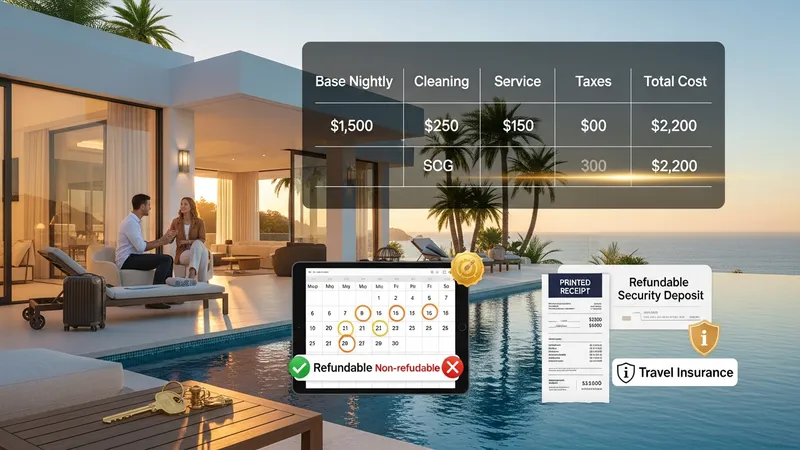
Pricing for high-end villas in the United States typically includes a base nightly rate and additional fees, which can cover cleaning, service charges, transient occupancy taxes, and optional services. Nightly ranges for luxury properties can often vary from roughly $500 per night in lower-demand periods up to $2,500+ per night in peak seasons or highly sought-after locations, depending on size and amenities. Presenting a total-cost comparison that aggregates base rates and common fees can clarify differences between listings.
Cancellation and payment terms often differ by channel and owner type. Platforms such as Airbnb and VRBO offer defined cancellation policy options that hosts may select; owner-direct arrangements can have bespoke terms. Payment timing, refundable security deposits, and insurance or damage protection options are typical policy elements to examine. When assessing value, include refundability and flexibility characteristics as part of the comparison rather than relying solely on headline rates.
Taxes, licensing, and regulatory costs can affect the final amount charged and compliance responsibilities. Many U.S. jurisdictions collect transient occupancy taxes or require host registration; in some areas these are remitted by the platform, while in others hosts are responsible for collection. For guidance on tax treatment of rental income, the U.S. Internal Revenue Service provides general information for taxpayers at irs.gov. Factoring expected local taxes into price comparisons may change apparent competitiveness among properties.
Creating a repeatable comparison framework can aid objective evaluation. Typical comparison categories include total estimated cost for the intended dates, included services and fees, documented house rules, accessibility features, and evidence of past guest feedback or professional inspection. For U.S. travelers, incorporating local-seasonality patterns and municipal requirements into that framework can reduce surprises and help align a selected property’s characteristics with group priorities without implying any single metric guarantees satisfaction.