
Choosing an upscale private residence for a short-term stay involves evaluating several practical and contextual elements. The concept covers how location, accommodation scale, available services, privacy, and contractual terms interact to affect suitability for a particular trip. For travellers in Australia, this may include regional differences such as coastal access in New South Wales, island or wilderness seclusion in Tasmania, or inner‑city proximity to cultural venues in Melbourne and Sydney.
Understanding these elements typically begins with a clear comparison framework: physical attributes of the property, the nature of included services, local access and transport, regulatory or consumer protections, and transparent fee structures. Considering these factors in sequence may help travellers assess trade-offs—for example, a remote property that offers seclusion may also require self-supplied groceries and transport, while an urban villa may prioritise convenience over outdoor space.
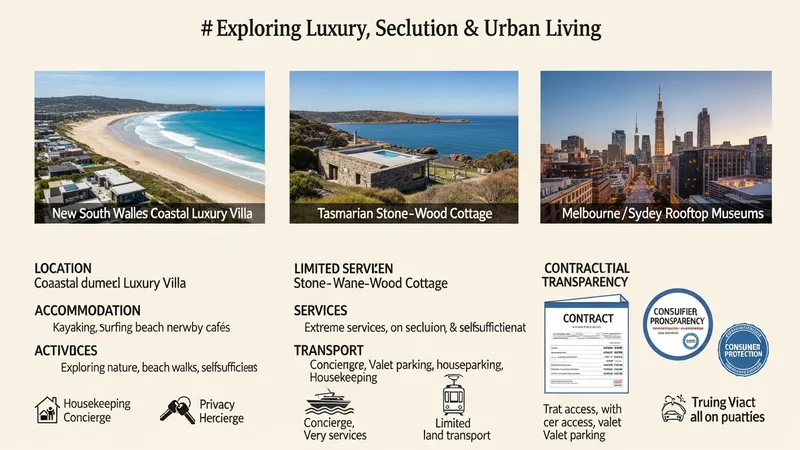
When comparing properties, descriptive elements such as room counts, indoor/outdoor flow, and utilities should be examined in context. Photographs and floor plans may convey scale but can be selective; inspection of written specifications and supplier policies often reveals details about linen, heating and pool maintenance. In Australia, seasonal patterns can affect availability and rates: coastal towns typically show higher demand in summer months while alpine and island locations vary with local tourism cycles.
Privacy and guest services are distinct but related considerations. Some villas include on‑site staff (housekeeping, concierge, groundskeeping) while others are self‑managed; that distinction may affect both the guest experience and the schedule of services. For properties that advertise staff presence, it may be useful to verify whether services are included in rental pricing or offered at additional cost. Security features such as gated access or monitored alarms are often detailed in listings and may be relevant for higher‑value stays.
Booking policies and consumer protections shape the practical risks associated with reservations. Many Australian platforms and managers provide cancellation terms, security deposit requirements, and dispute resolution clauses; regulatory bodies such as the Australian Competition and Consumer Commission (ACCC) describe general consumer rights relevant to accommodation purchases. Payment methods and liability for property damage are also common differentiators among listings and hosts.
Price evaluation often requires parsing base nightly rates, cleaning fees, linen charges, and refundable security deposits. Currency and fee presentation may vary between platforms; comparing the total expected charge for the full stay helps avoid surprises. For more remote properties, additional costs such as fuel, ferry transfers or mandatory minimum stays may apply and are typically stated in listing details or local tourism pages.
To summarise, assessing an upscale private residence for short stays commonly involves coordinated review of location, scale, services, privacy and contractual terms. A structured comparison can reveal which attributes align with traveller needs and which trade‑offs are acceptable. The next sections examine practical components and considerations in more detail.
Location shapes daily logistics and the experiential quality of a villa stay. Coastal properties in New South Wales and Queensland often provide beach access and water‑based activities, while properties near Melbourne or Sydney prioritise cultural and dining access. Regional centres such as Byron Bay, the Mornington Peninsula and the Gold Coast each present different seasonal patterns and transport options. Travellers may consider proximity to medical facilities, supermarkets and fuel stations, particularly for remote island or wilderness villas. Tourism Australia and state visitor sites commonly list regional amenities and can provide context for local infrastructure.
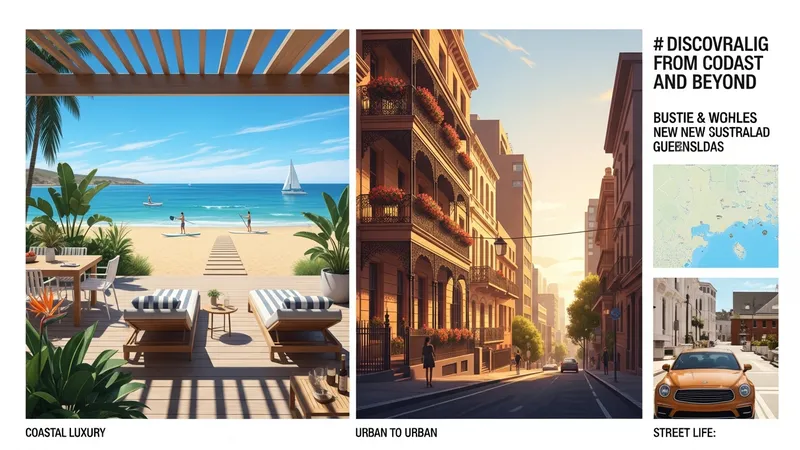
Seasonality may alter both availability and the local character of a location. For example, many Australian coastal towns see peak demand in December–January, while cooler months can be quieter; alpine or island destinations have their own cycles. Understanding local events, school holiday periods and weather patterns can inform whether a specific location suits intended travel dates. Public transport access varies widely—some regional villas may require a private vehicle, while metropolitan villas frequently have nearby train or tram links.
Neighbourhood and community considerations can affect suitability. Villas located in residential precincts may be subject to local noise or short‑stay restrictions; some local councils apply rules on minimum stays or limits on visitor numbers. Checking local council pages or state government rental regulations may reveal relevant limits or permit requirements. In addition, road quality and accessibility during certain seasons (e.g., wet season impacts in tropical areas) can influence whether a location is practical for all guests.
Access logistics such as airport proximity, ferry timetables and on‑site parking should be reviewed. Airports serving regional destinations may have limited flight schedules, and island access often relies on scheduled ferries or small aircraft. Property listings typically specify transfer options or recommend local transport providers; official state tourism pages and regional airport sites can provide timetables and practical routing information to help estimate transit time and cost.
Property size and internal layout determine how well a villa accommodates group composition and activities. Travellers may assess the number of bedrooms and bathrooms relative to guest count, presence of en‑suite facilities, and communal spaces such as living rooms and dining areas. Floor plans, when available, typically help evaluate privacy between guest groups and whether spaces allow concurrent activities. In Australian listings, larger villas intended for groups often specify maximum occupancies and may state whether additional bedding or cots are available.
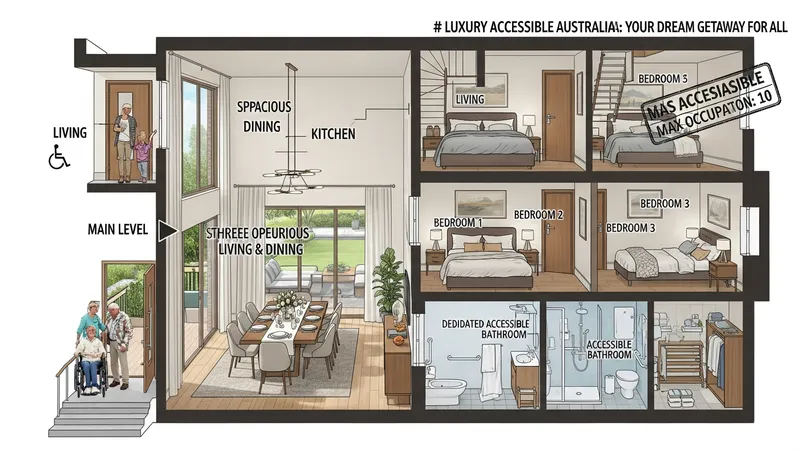
Accessibility features are a practical concern for guests with mobility needs. Some villas include step‑free access, ramps, wide doorways and accessible bathrooms; others are multi‑level with internal staircases that may limit use for some guests. State disability access information or building compliance references might be available through local council pages. When accessibility is essential, verifying specific dimensions and fixture types in advance may reduce mismatch between expectations and on‑site reality.
Outdoor space and circulation are relevant to usability and safety. Enclosed gardens, pool fencing compliant with state regulations, and dedicated parking can be important for families or groups with children. Australian pool fencing rules differ by state and are typically enforced to reduce drownings; listings that include pools often declare whether fencing meets local requirements. Additionally, laundry facilities and kitchen configuration can affect longer stays and self‑catering arrangements.
Heating, cooling and building services may influence comfort across Australia’s varied climates. Properties in southern states may highlight winter heating and insulation, while northern properties may emphasise ceiling fans or air conditioning. Utility reliability can vary in remote locations; some rural and island properties note backup power options or limitations during adverse weather. Confirming these practical details helps align property features with the intended travel season and guest needs.
Amenities commonly distinguish higher‑value villas and can include private pools, spas, sea views, dedicated staff, and premium kitchen equipment. Listings often specify which amenities are included and which are optional extras billed separately. For example, some managers offer onsite cleaning or chef services as add‑ons. In Australia, guest expectations for amenity disclosure are shaped by platform standards and consumer protection guidance; reading detailed listing descriptions and host rules may clarify what is included in the headline price.
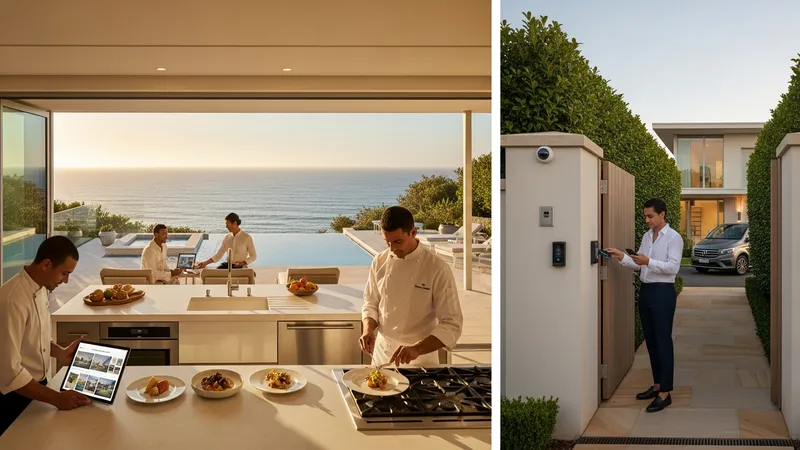
Staffing and service levels vary from fully staffed properties to self‑service rentals. Properties that include staff may specify hours of availability, scope of duties and whether gratuities are appropriate. Conversely, self‑managed villas may provide contact details for local service providers to arrange extra services at additional cost. If privacy is a priority, the presence of staff and their access patterns should be understood in advance, as should any security arrangements such as gated driveways or monitored alarm systems.
Technical and entertainment amenities—broadband, streaming devices, speaker systems—may affect suitability for both leisure and remote work. Broadband speeds in urban areas are often higher than in regional or island locations; the Australian Government’s National Broadband Network (NBN) maps and local provider pages can indicate likely service levels. Guests who require reliable connectivity may consider properties that explicitly list internet speed or provide recent performance information.
Maintenance, cleanliness and regulatory compliance are practical aspects to verify. Property managers typically state cleaning procedures between stays and may reference cleaning standards; platforms sometimes publish host cleaning policies. For properties with pools or specialized equipment, confirmation that maintenance schedules and safety checks are current can reduce operational surprises. If local rules affect use (noise curfews, short‑stay limits), hosts or listing agents normally include these in the house rules section.
Pricing structure for villas often comprises a base nightly rate plus additional compulsory or optional fees. Common additional charges in Australia include cleaning fees, linen fees, and refundable security deposits. Typical nightly rates for higher‑end villas may range widely depending on location and season—for example, smaller coastal villas might commonly list from A$600–A$1,500 per night, while larger multi‑bedroom or highly serviced properties may list from A$2,000–A$5,000 per night. These ranges are indicative and may fluctuate with demand and local events.
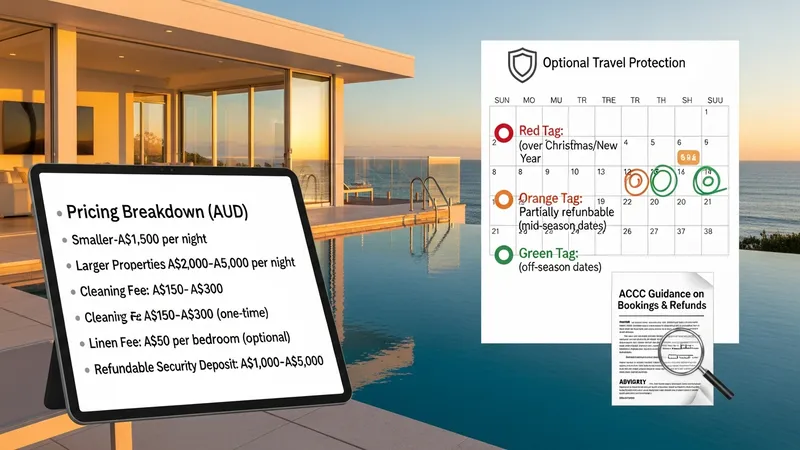
Cancellation and refund policies vary considerably between platforms and individual managers. Many listings articulate non‑refundable, partially refundable or flexible cancellation windows; some commercial platforms offer optional travel protection products. Under Australian consumer law, certain rights and remedies apply to services that are not provided as described, and the ACCC provides guidance on consumer guarantees relevant to accommodation purchases. Travellers may wish to review stated terms carefully to understand potential penalties or credits.
Security deposits, damage liability and insurance are practical financial considerations. Hosts may request a refundable bond or hold an amount on a credit card to cover accidental damage. Travel insurance that explicitly covers short‑term rental accommodation damage and trip disruption is commonly recommended as an additional risk mitigation measure. Insurance inclusions and exclusions differ, so reviewing policy wording in relation to privately rented properties may clarify what is and is not covered.
Payment methods and booking channels can influence perceived safety and dispute resolution pathways. Many Australian platforms support credit card and direct payment options and provide messaging records that can be used in resolving disagreements. Using reputable platforms with documented host ratings and secure payment processing may make transaction terms more transparent. For regulatory context, state fair‑trading offices and the ACCC offer consumer guidance on resolving disputes related to service contracts.